
Exploring The Symbolic Meaning Of Caskets
Caskets: Beyond Their Role as Burial Containers
many cultures and religious
traditions, the casket carries deep symbolic meaning. It can quietly express the story of a person’s life, their
preferences, and how they are remembered.

Symbolic Meaning of Casket Materials
Caskets have been crafted from a variety of materials throughout history, each carrying unique symbolic significance:
-
Wood: Wooden caskets symbolize nature and the life cycle. They remind us of life’s fragility and the natural return to the earth.
-
Metal: Chosen for their durability, metal caskets represent strength, protection, and permanence. They reflect the desire to preserve and honor loved ones even after death.
-
Biodegradable Materials: With growing awareness of environmental issues, biodegradable caskets have become more popular. They symbolize a commitment to sustainability and harmony with the earth.
The Meaning Behind the Colors of Caskets
-
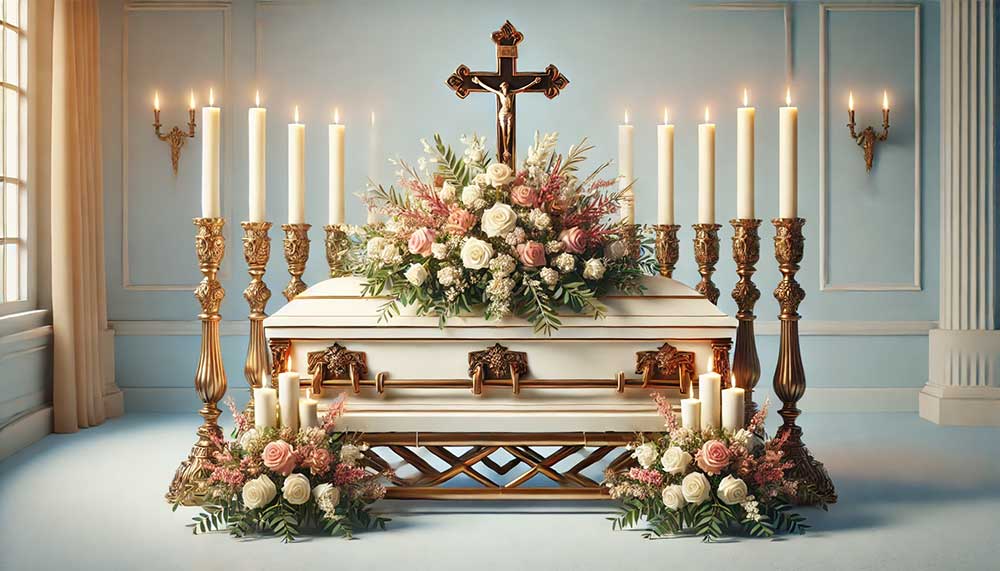
White: Often used for children or the elderly, white represents purity, innocence, and peace.
-
Blue: Associated with calm and comfort, blue symbolizes serenity and the peacefulness of eternal rest.
-
Black: The traditional color of mourning, black signifies loss, grief, and respect for the departed.
Symbolism in Ornamentation and Funerary Practices
Intricate designs may reflect religious beliefs, cultural traditions, or social status. Alternatively, a plain and simple casket can express humility and the transient nature of life.

Personalized Caskets as a Form of Self-Expression
Today, there is a growing trend toward personalized caskets.h These can feature colors, designs, engravings,
or imagery that reflect the deceased’s hobbies, values, or achievements. Personalization allows families to
create a deeply meaningful and unique htribute to their loved one’s life.
Exploring the symbolism of caskets helps us appreciate how even small details can carry deep emotional and
cultural significance. Far from being just a container, a casket can be a powerful symbol of love, remembrance, and respect.
Caskets play an important role in funeral traditions across many cultures and societies. Beyond their practical
purpose of holding the body of the deceased, caskets carry deep symbolic meanings connected to respect,
remembrance, and the transition from life to death. They often serve as a physical representation of how
One of the primary symbolic meanings of a casket is protection and care. In many traditions, the casket is
seen as a final resting place that protects the body of the deceased
they want to ensure that their loved one is treated with dignity even after death. The design, material, and
decoration of the casket often reflect the level of respect and affection the family has for the person who has passed away.
. The casket represents the
Vessel that carries the deceased on this final journey.
with religious symbols, scriptures, or meaningful designs that express hope, faith, and spiritual continuity.
Personalization helps families celebrate the individuality of their loved one
. Different cultures have unique customs
regarding burial containers. Some traditions emphasize simplicity, using plain wooden caskets as a symbol of
humility and equality in death. Others use more elaborate designs that reflect cultural heritage, status, or
ceremonial importance. These differences highlight how societies express their beliefs about life, death, and remembrance.
It becomes the focal
point where family members and friends gather to pay their final respects. Viewing ceremonies, prayers, and
memorial services frequently take place around the casket, making it a powerful symbol of collective mourning and support.
Ultimately, the symbolic meaning of caskets goes far beyond their physical function. They represent respect,
love, cultural tradition, spiritual belief, and remembrance. By understanding these symbolic meanings, we can