
An Introduction to Cremation Caskets
Cremation caskets are specifically designed to meet the requirements of the cremation process. Unlike traditional burial caskets, they are constructed from materials that are safe to burn and often reflect different priorities, such as environmental impact or affordability.

Key considerations when selecting a cremation casket include:
-
Combustibility: The casket must be made from materials that will fully combust during the cremation process.
-
Environmental Impact: Eco-conscious families may prefer biodegradable or sustainably sourced options.
-
Aesthetic Appeal: The casket should reflect the personality and preferences of your loved one.
1. Hardwood Caskets
Hardwood caskets are known for their natural beauty and fine craftsmanship. They are typically made from high-quality woods such as oak, cherry, walnut, or mahogany. These caskets offer a traditional and dignified appearance.
Pros:
-
Elegant aesthetic and quality craftsmanship
-
Available in various wood types and finishes
Cons:
-
Generally more expensive
-
Heavier than other options
2. Softwood Caskets
Made from woods like pine, cedar, or poplar, softwood caskets are lighter and typically more affordable than hardwood versions. They offer a simpler, rustic look, which appeals to families seeking a more modest option.
Pros:
-
Lightweight and easy to handle
-
More budget-friendly than hardwood
Cons:
-
Less durable
-
Limited in finishing options
3. Cardboard Caskets
Cardboard caskets are an eco-friendly and cost-effective choice. They are constructed from thick, durable cardboard and can be customized with printed designs or finishes. As biodegradable products, they are ideal for environmentally conscious families.
Different Casket Options for Cremation
Pros:
-
Biodegradable and environmentally friendly
-
Lightweight and easy to transport
Cons:
-
Less durable than wood or metal options
-
Limited visual appeal
4. Veneer Caskets
Veneer caskets offer the appearance of solid hardwood at a more affordable price. These caskets are constructed by applying a thin layer of high-quality wood over a core of less expensive material.
Pros:
-
Attractive appearance similar to hardwood
-
More economical than solid wood
Cons:
-
Not as durable as solid wood
-
Limited to available veneer options
5. Fiberboard Caskets
Also known as particleboard or engineered wood caskets, these are made from compressed wood fibers. They are durable, affordable, and often finished with veneer or laminate to enhance their look.
Pros:
-
Strong and sturdy construction
-
More affordable than solid hardwood
Cons:
-
Heavier than cardboard or softwood
-
Fewer design options

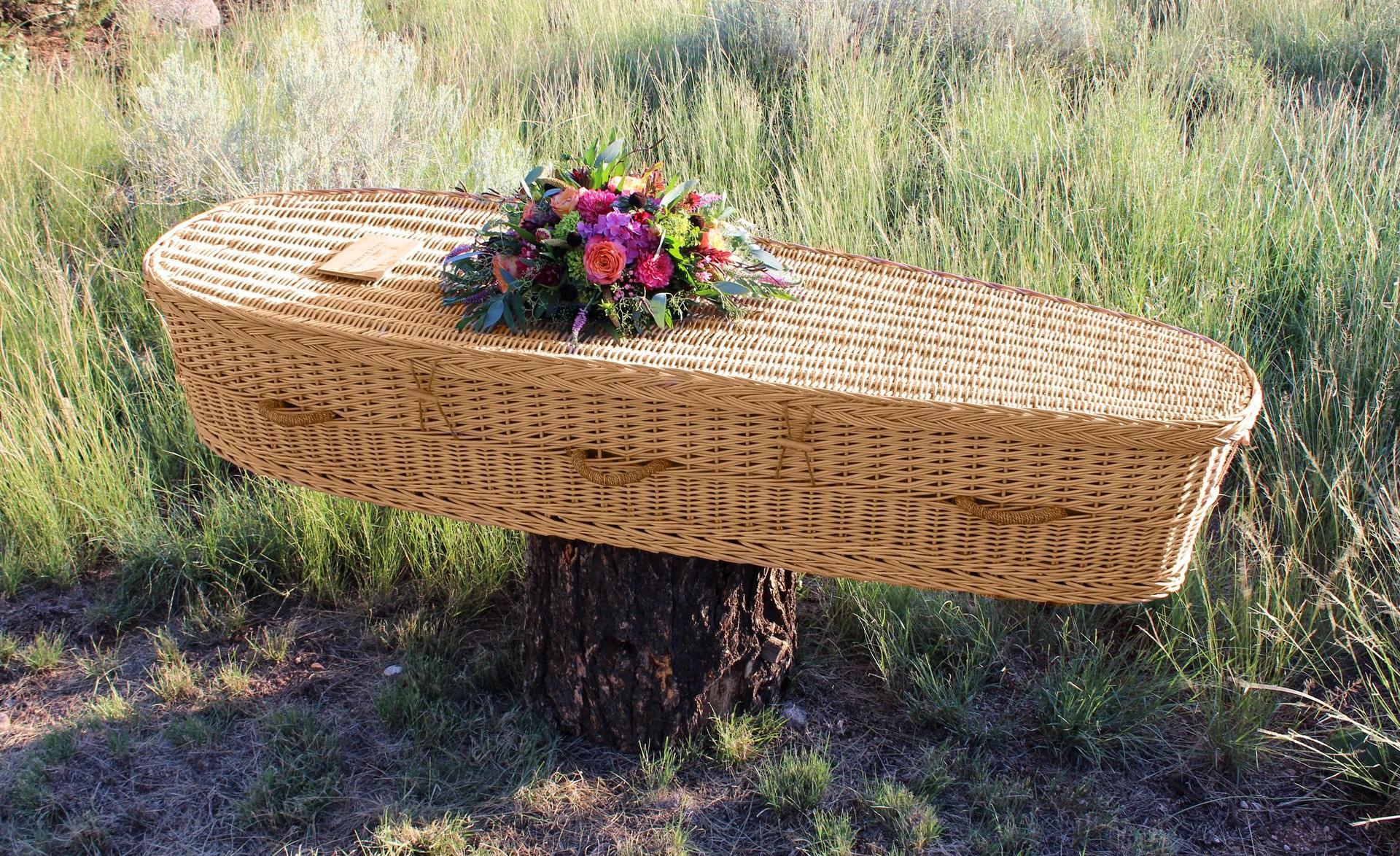
6. Eco-Friendly Caskets
Eco-friendly caskets are made from natural, biodegradable materials such as bamboo, wicker, or seagrass.
They are ideal for families looking to minimize environmental impact while choosing a product with a unique, natural appearance.
Pros:
-
Fully biodegradable and sustainable
-
Distinctive, natural look
Cons:
-
May not be available at all funeral homes
-
Less durable than wood
Choosing the right casket for cremation is an important step in planning a meaningful farewell. By
understanding the different types of caskets available, you can make an informed choice that reflects your loved one’s values, style, and your family’s needs.
If you’re looking for cremation services in Townville, SC, or want to explore our full range of casket options,
Discount Caskets is here to help. Our compassionate team is dedicated to providing guidance and support through every step of the process.
Comprehensive Guide to Cremation Casket Types
Cremation has become an increasingly common funeral choice in many parts of the world. For families who
choose this option, cremation caskets play an important role in the funeral or memorial process. A cremation
casket is designed to hold the body before and during cremation, and it may also be used during viewing or
funeral services. Understanding thehdifferent types of cremation caskets can help families make informed and respectful decisions.
1. Cardboard Cremation Caskets
Cardboard cremation caskets are one of the simplest and most affordable options. They are made from strong
corrugated cardboard that is specially designed to handle the cremation process. Despite their simplicity,
these caskets are sturdy and can be decorated or customized with printed designs, artwork, or messages. Many
people choose cardboard caskets because they are environmentally friendly and biodegradable.
2. Wooden Cremation Caskets
during a viewing or funeral ceremonyoak, or mahogany. Some wooden cremation caskets hhave simple designs, while others may include polished
finishes, handles, and interior linings. Wood is also a good material for cremation because it burns efficiently.
3. Veneer and Engineered Wood Caskets
This
option provides the appearance of a solid wood casket at a lower cost. Veneer caskets are commonly used for
cremation services that include a viewing, as they offer both aesthetic appeal and practicality.
4. Rental Caskets
Rental caskets are commonly used when a family wants to hold a viewing or funeral service before cremation
but prefers a more economical option. The outer shell of the casket is reusable, while a removable interior
container holds the body. After the ceremony, the interior container is used for the cremation process. This option allows families to have a traditional service while reducing costs.
5. Eco-Friendly Cremation Caskets
They contain minimal metal parts and natural finishes, making them suitable for both cremation and green burial practices.
6. Alternative Cremation Containers
Many crematories also accept simple alternative containers.fiberboard, pressed wood, or heavy cardboard.decorative features. Because they are basic and functional, they are often the most affordable option available.
Choosing the Right Cremation Casket
When selecting a cremation casket, families should consider factors such as cost, cultural or religious
traditions, environmental preferences, and whether a viewing or memorial service will take place. Some
families prioritize simplicity, while others prefer a more ceremonial design.
In the end, the purpose of a cremation casket is to provide dignity and respect for the deceased while helping families say their final goodbyes in a meaningful way.