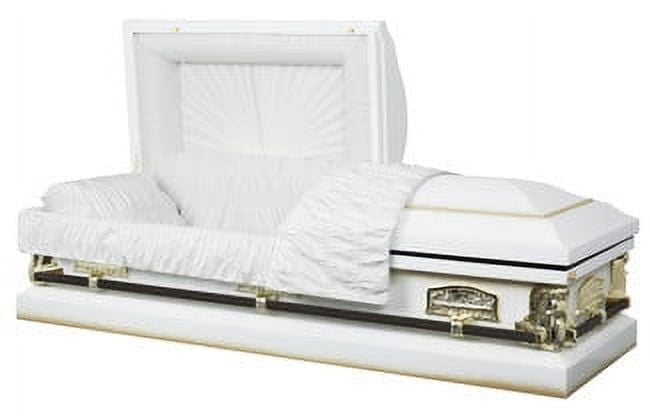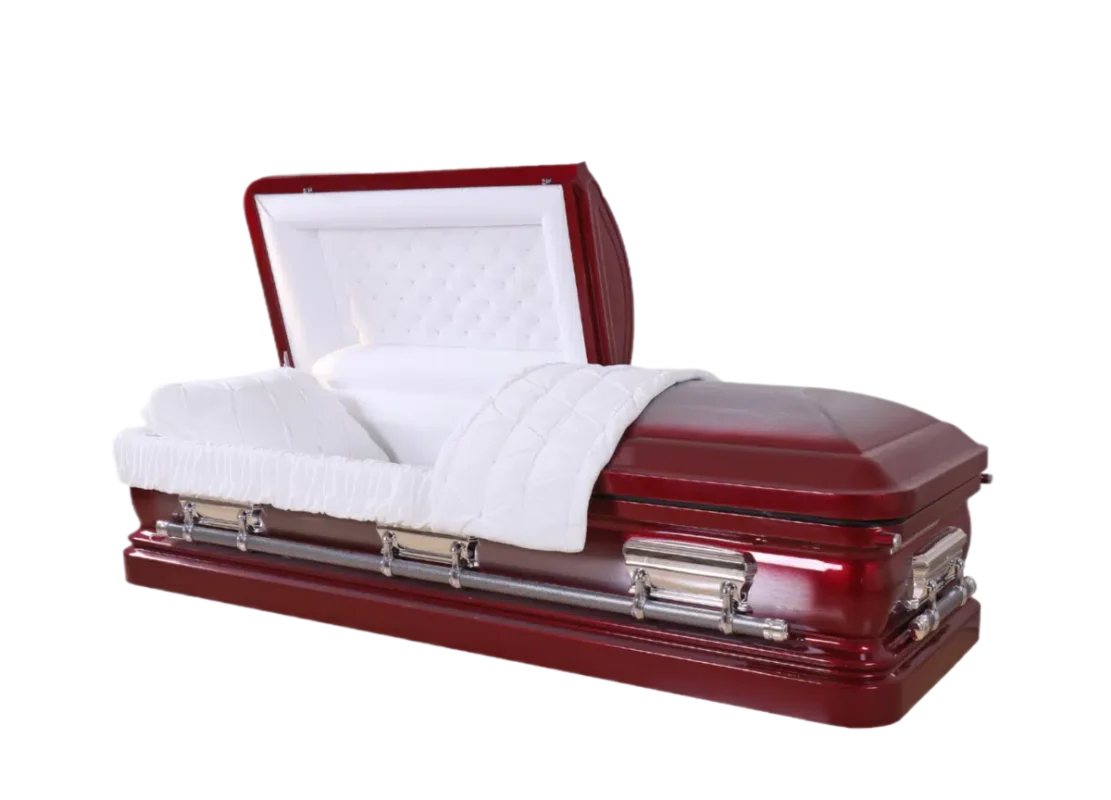

The Evolution Of Caskets
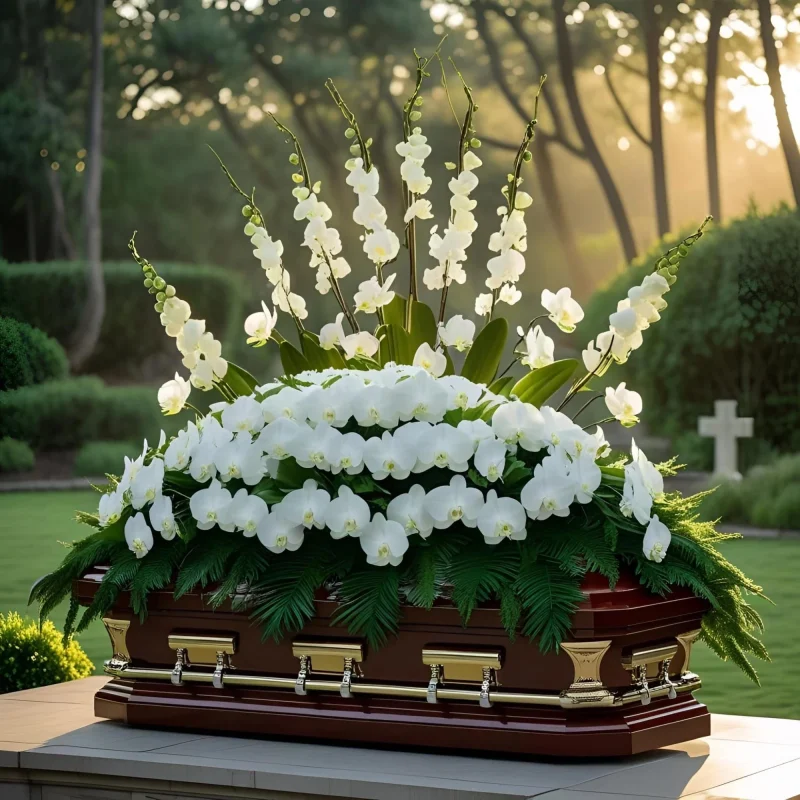
Caskets evolved from simpleh burial boxes into highly standardized, decorative products shaped by culture, religion, and industrial production. Early burial containers date back thousands of years, while the modern rectangular casket became especially common in the U.S. in the 19th century.
Early origins
-
Some of the earliest burial containers appeared in ancient Egypt and Mesopotamia, where wood, cloth, paper, and stone were used.
-
Neolithic and ancient Chinese burials also used coffins or coffin-like boxes, sometimes made of stone, clay, or wood.
-
In early societies, burial containers were often reserved for elites or nobility, while many people were wrapped in shrouds instead.
Medieval to early modern
-
In Europe, stone coffins and sarcophagi were common for wealthier burials, while wood became more available to the wider population.
-
Coffins were usually handmade by local cabinetmakers or undertakers and built on demand.
-
Designs varied by region, but the basic goal was practical burial and social display.
Industrial age shift
-
The 19th century brought major change through mass production and new materials like cast iron and steel.
-
Embalming and Civil War-era burial practices helped popularize more refined, viewable caskets in North America.
-
The rectangular “casket” eventually replaced the older tapered coffin shape in the U.S. because it looked more formal and was easier to manufacture.
Modern era
-
Today, caskets are made from wood, metal, or biodegradable materials, with styles ranging from simple to highly customized.
-
The modern market reflects both practicalh burial needs and personal, cultural, or environmental preferences.
If you want, I can turn this into a short timeline with dates.
Ancient Egyptian and Chinese burial containers differed mainly in shape, decoration, and purpose. Egyptian coffins were often anthropoid later on, with painted gods, hieroglyphs, and protective symbolism, while Chinese burial containers were more closely tied to status and protection, including elaborate lacquered coffins and, for elites, jade burial suits or jade-covered funerary objects.
Ancient Egypt
-
Egyptian coffins began as simple rectangular boxes and later developed into human-shaped, painted coffins.
-
They were decorated with hieroglyphs, spells, protective deities, and symbols meant to help the deceased in the afterlife.
-
The focus was strongly on preserving the body and preparing it for the journey after death.
Ancient China
-
Chinese burial practices emphasized the person’s rank, identity, and protection in the tomb.
-
Elite burials could include highly luxurious materials such as lacquer and jade, including jade burial suits.
-
Compared with Egypt, Chinese funerary objects often reflected social status more than a single standardized afterlife design.
Main difference
Egyptian coffins were more overtly symbolic and hreligious in design, while Chinese burial containers were often more about rank, protection, and the use of prized materials like jade.
-
Anthropoid coffins became especially important when Egyptians viewed the dead as spiritually transformed beings rather than just buried remains.
-
They also served as a visible sign of status and care, since elaborate coffins were expensive and usually reserved for people who could afford them
If you want, I can also explain what the wings and eye panels on Egyptian coffins meant.